
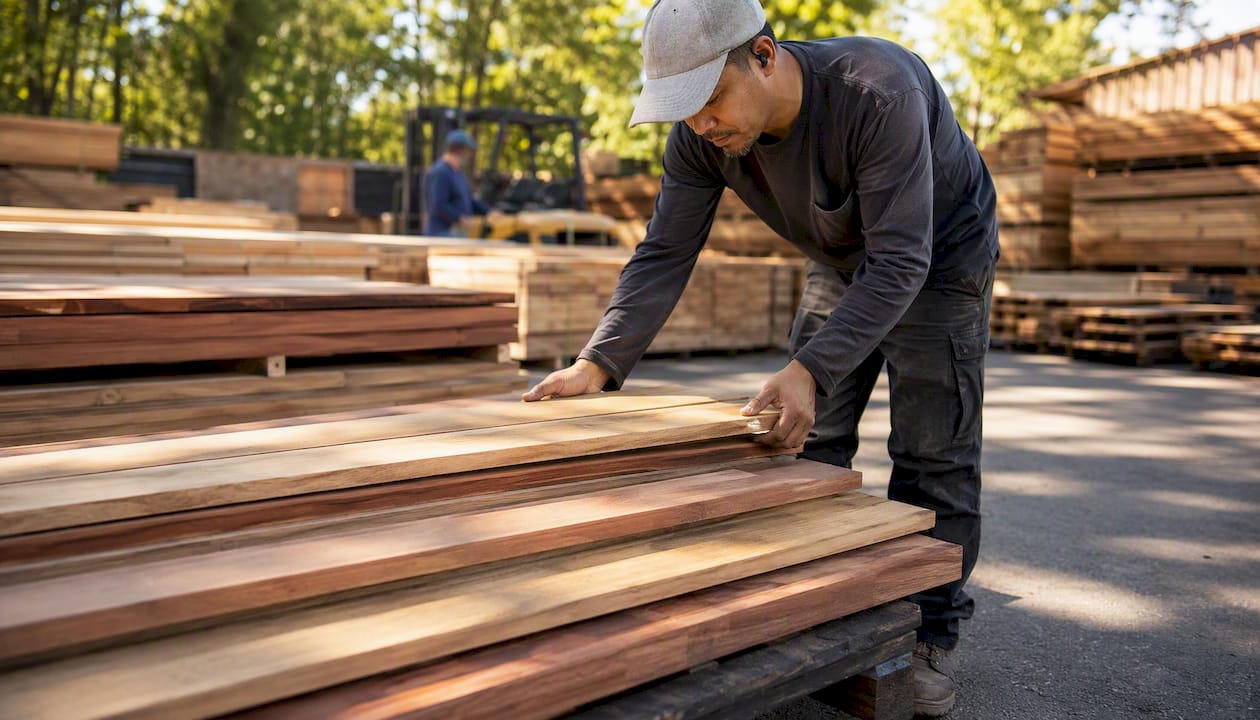
Before you call anyone, have these five items written down: species, grade, board feet, dimensions (width and length), and target moisture content. Distributors move faster when you arrive with specs, not questions. On first contact, ask three things: What is your lead time for this species? What is your minimum order quantity? Do you handle LTL delivery or will-call pickup?
Have ready before you call:
- Species and grade (e.g., Select & Better Red Oak, #1 Common White Oak)
- Total board feet with a 7–10% waste factor already added
- Width, length, and thickness (solid vs. engineered)
- Target moisture content (typically 6–9% for interior installs)
- Your contractor license or trade account credentials
Quality Hardwoods of Michigan, Inc is a local Michigan distributor with 40+ years of experience serving contractors. Visit the Rochester Hills showroom or request a quote to get started.
Key Takeaways
Sourcing hardwood locally from a distributor saves time when you arrive with complete specs and the right trade credentials.
| Point | Details |
|---|---|
| Prepare specs first | Have species, grade, board feet, dimensions, and moisture content ready before contacting any distributor. |
| Distributor vs. retailer | Distributors require trade credentials and minimums but remove retail markups and handle LTL logistics. |
| Small-order cost reality | Distributor margins and service costs typically add 22–30% above landed cost on smaller orders. |
| Build a rep relationship | A direct sales rep connection often unlocks overstock access and flexible LTL scheduling. |
| Quality Hardwoods of Michigan, Inc | Local Michigan distributor with 40+ years of experience, will-call, LTL, and a full contractor product range. |
Table of Contents
- How distributors source hardwood for contractors — and what they expect from you
- Quality Hardwoods of Michigan, Inc: a local partner built for contractors
- Sources
- FAQ
How distributors source hardwood for contractors — and what they expect from you
Distributors are not retailers. A retailer sells to anyone walking through the door; a hardwood distributor requires trade credentials, often sets order minimums, and takes on logistics responsibility the retailer never touches. That distinction matters most on new builds, where staging, LTL coordination, and certified-product availability can make or break a schedule.
Research comparing sawmill and distributor roles found that distributor importance grew between 2003 and 2008, with more volume routed through distributors and a clear shift toward smaller, customized orders and LTL shipments. A separate national distributor survey confirmed that average order sizes fell during the same period, pushing distributors to add certified-product offerings and custom services to stay competitive.
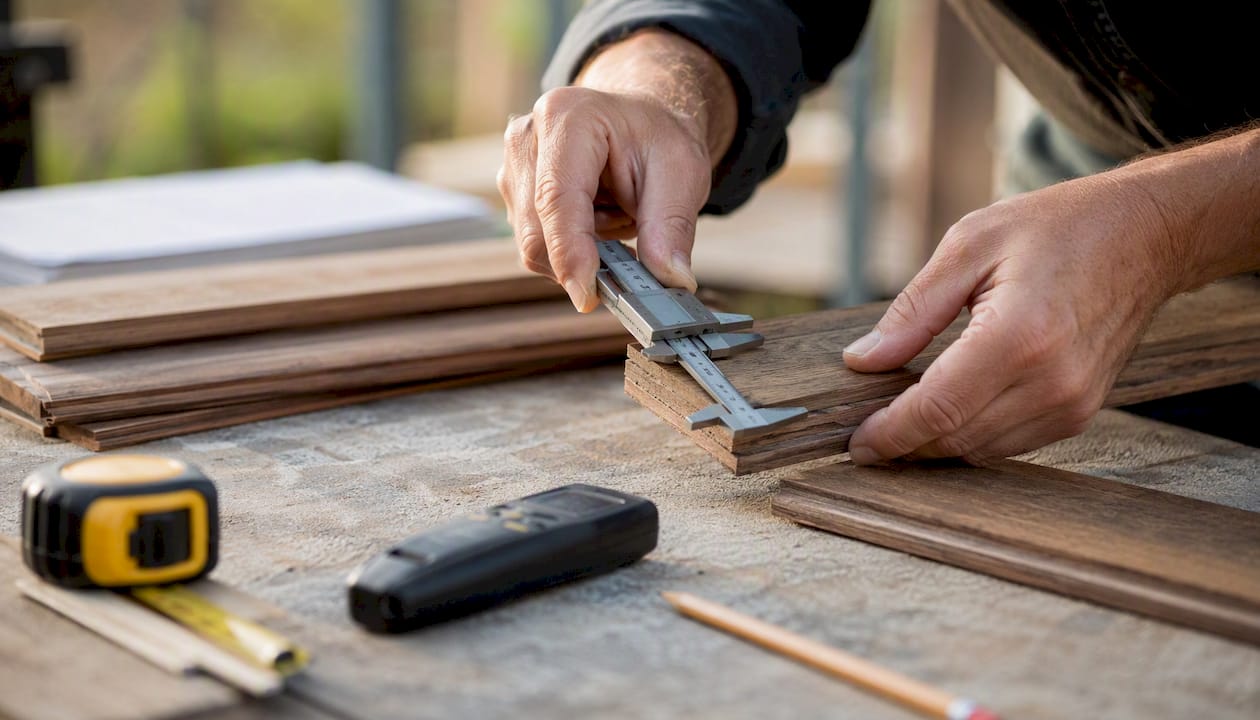
What that means for your job: distributors have adapted to smaller contractors. You do not need a truckload to get service. But smaller orders cost more per board foot. Industry guidance puts distributor margins and service costs at roughly 22–30% above landed cost, which explains why two quotes on the same species can look very different.
Larger distributors are also consolidating regionally. A 2025 distribution center opening in California illustrates how regional consolidation improves local stock depth and will-call logistics for nearby contractors.
Pro Tip: Build a relationship with one sales rep before you need a rush order. Contractors who do often get first access to overstock and clearance inventory, plus flexible LTL scheduling that walk-in buyers never see.
Quality Hardwoods of Michigan, Inc: a local partner built for contractors
Forty-plus years in Michigan flooring distribution means Quality Hardwoods of Michigan, Inc has seen every job-site scenario a contractor runs into. The product catalog covers unfinished and prefinished hardwood, luxury vinyl plank, laminate, stains, finishes, and abrasives, so you can consolidate procurement instead of chasing three vendors. Will-call pickup, small-lot fulfillment, and LTL handling are standard. For new construction projects in Southeast Michigan, the team can coordinate staging and delivery timing around your install schedule. Call or visit the showroom with your spec sheet and contractor credentials to open a trade account and get a line-item quote with freight included.
Sources
Key references used in this guide:
- Intermediaries in the U.S. Hardwood Lumber Market: Comparing and Contrasting Sawmills and Distributors
- Trends in the US Hardwood Lumber Distribution Industry: Changing Products, Customers, and Services
- Hardwoods consolidating 3 Nor-Cal warehouses into new mega DC
- Wholesale Hardwood Flooring: Pros, Cons, and Buying Guide - D and G Flooring
These sources cover U.S. market structure, wholesale account expectations, and distributor service trends — the evidence base contractors need to evaluate quotes and distributor claims confidently.
FAQ
What does a hardwood distributor do that a retailer doesn’t?
Distributors handle LTL logistics, custom milling, and certified-product sourcing, and they require trade credentials and order minimums. Retailers sell to the general public without those requirements but carry retail markups.
How do I find local hardwood distributors for a project?
Search by NAICS code, check regional trade associations, or visit a local showroom like Quality Hardwoods of Michigan, Inc in Rochester Hills, MI, which serves contractors across Michigan.
What specs should I have before contacting a distributor?
Species, grade, total board feet (with waste factor), width, length, thickness, and target moisture content. Having these ready shortens the quote process significantly.
Why do small orders cost more per board foot from distributors?
Does sourcing hardwood locally reduce lead times?
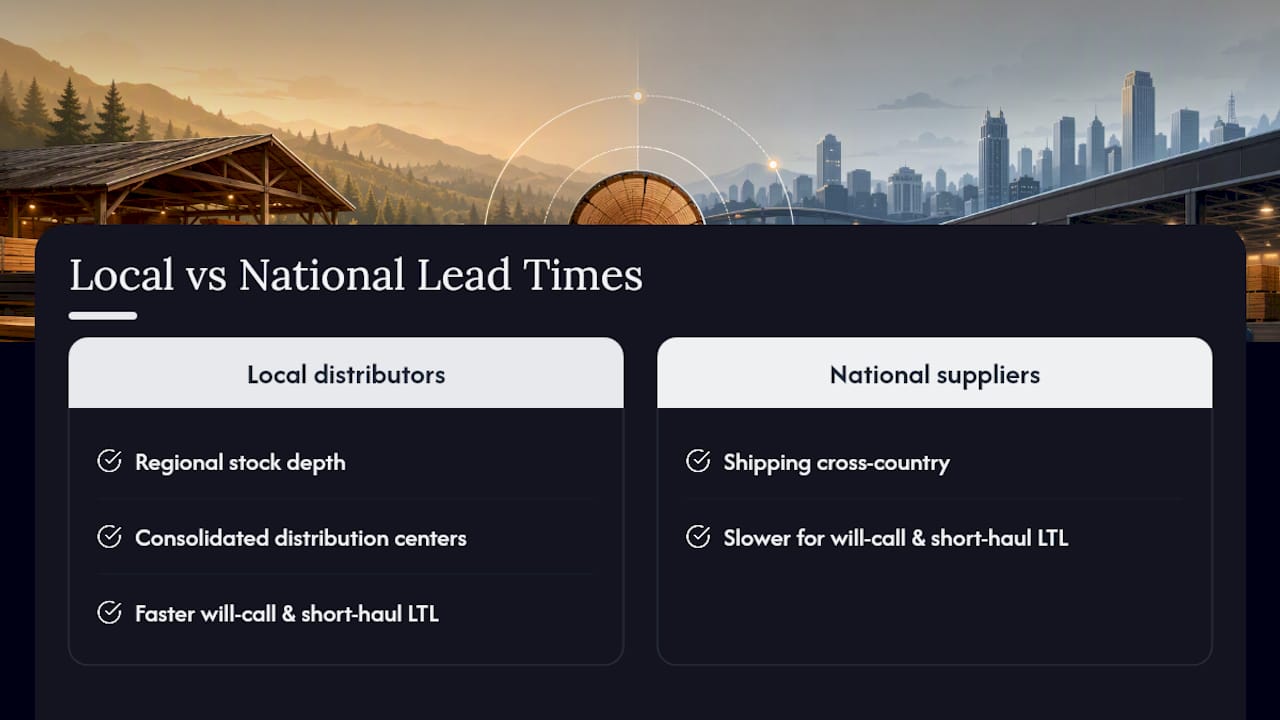
Generally yes. Local distributors with regional stock depth, like those that have invested in consolidated distribution centers, can often fulfill will-call or short-haul LTL orders faster than national suppliers shipping cross-country.
Recommended
- Hardwood Flooring Distributor Rochester Hills MI | Quality Hardwoods of Michigan
- Engineered Hardwood Floor Distributors in Michigan | Quality Hardwoods of Michigan
- Hardwood Flooring for New Construction in Southeast Michigan | Quality Hardwoods of Michigan
- Indiana Hardwood | Quality Hardwoods of Michigan