
Flooring shopping mistakes are avoidable errors, including underbudgeting, ignoring lifestyle needs, and overlooking installation details, that lead to costly replacements and regret. Most homeowners discover these common flooring shopping mistakes only after the floors are down and the contractor has left. The good news is that each mistake follows a predictable pattern. Knowing what to watch for before you buy puts you in control of the outcome, the budget, and the long-term performance of your floors.
1. Underbudgeting for the true cost of flooring
Underbudgeting is one of the biggest mistakes homeowners make when planning a flooring project. Hidden costs routinely surpass the price of the materials themselves, catching buyers off guard mid-project.
Flooring installation costs $4–$15 per square foot installed, with labor alone running $2–$8 per square foot. That range is wide because subfloor condition, room complexity, and material type all shift the final number.
The costs homeowners most often miss include:
- Subfloor preparation: Leveling, patching, or replacing a damaged subfloor is frequently the single largest hidden cost on a project.
- Demolition: Removing tile can run $2–$7 per square foot, which is often higher than carpet removal at $0.70–$1.60 per square foot.
- Transition strips and moldings: Doorways, stair nosings, and room transitions add up fast across a whole home.
- Disposal fees: Hauling away old flooring material carries its own charge in most markets.
Pro Tip: Add a 15–20% contingency to your flooring budget before you sign anything. Projects that hit subfloor problems or require extra demolition will consume that buffer quickly, and you will be glad it is there.
2. Choosing flooring based on price alone
Price shoppers who select floors solely on cost often face premature replacement because the product is incompatible with how the household actually lives. A floor that looks affordable on the tag can become the most expensive decision in the room.
“Flooring is a long-term investment, not a short-term commodity purchase. Treating it like one is the fastest path to an early replacement.” — flooring industry consensus, 2026
The real cost of a cheap floor shows up in several ways:
- Wear incompatibility: Low-grade finishes fail quickly in high-traffic hallways or homes with pets and children.
- Thin wear layers: Budget luxury vinyl planks often carry wear layers too thin for daily use, leading to scratches and dents within a few years.
- Voided warranties: Inexpensive products frequently carry short or heavily restricted manufacturer warranties that offer little real protection.
Homeowners shopping for flooring for upscale homes or high-traffic areas should compare durability ratings and warranty terms, not just price per square foot.
Pro Tip: Ask every retailer for the manufacturer’s warranty document before you buy. A floor with a 25-year residential warranty backed by a reputable brand is a better value than a cheaper floor with a 5-year limited warranty, even if the upfront price is higher.
3. Evaluating samples only in the store
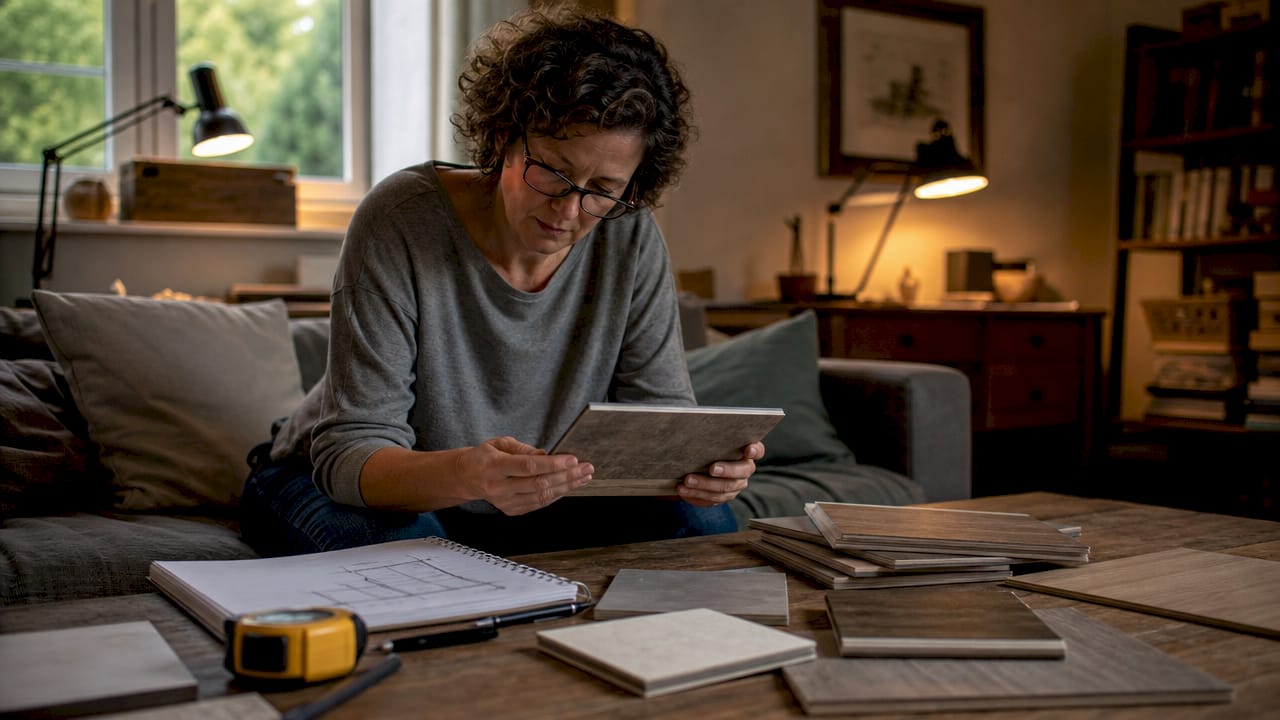
Buying flooring based on a small in-store sample is one of the most common flooring errors homeowners make. Store lighting is designed to make products look their best, and a 4-inch chip tells you almost nothing about how a full floor will read in your home.
Purchasing flooring based on small samples without checking home lighting and retailer reviews leads to dissatisfaction at a rate that surprises most buyers. The color, sheen, and grain pattern of a floor shift dramatically depending on natural light, room size, and wall color.
Steps that prevent sample-related regret:
- Order larger samples or full planks and place them in the actual room for at least 24 hours across different times of day.
- Check online reviews for both the product and the retailer, paying attention to comments about color accuracy and customer support after the sale.
- Request an in-home consultation from a knowledgeable supplier who can assess your lighting conditions and subfloor before recommending a product.
A trusted local supplier like Quality Hardwoods of Michigan, Inc brings this kind of hands-on guidance to the process. Their team helps homeowners evaluate vinyl, laminate, and hardwood options in context, not just under showroom lights.
Pro Tip: Photograph your room in morning and afternoon light, then hold your sample against those photos. The difference in how a floor reads across lighting conditions will be immediately obvious.
4. Skipping subfloor preparation and moisture testing
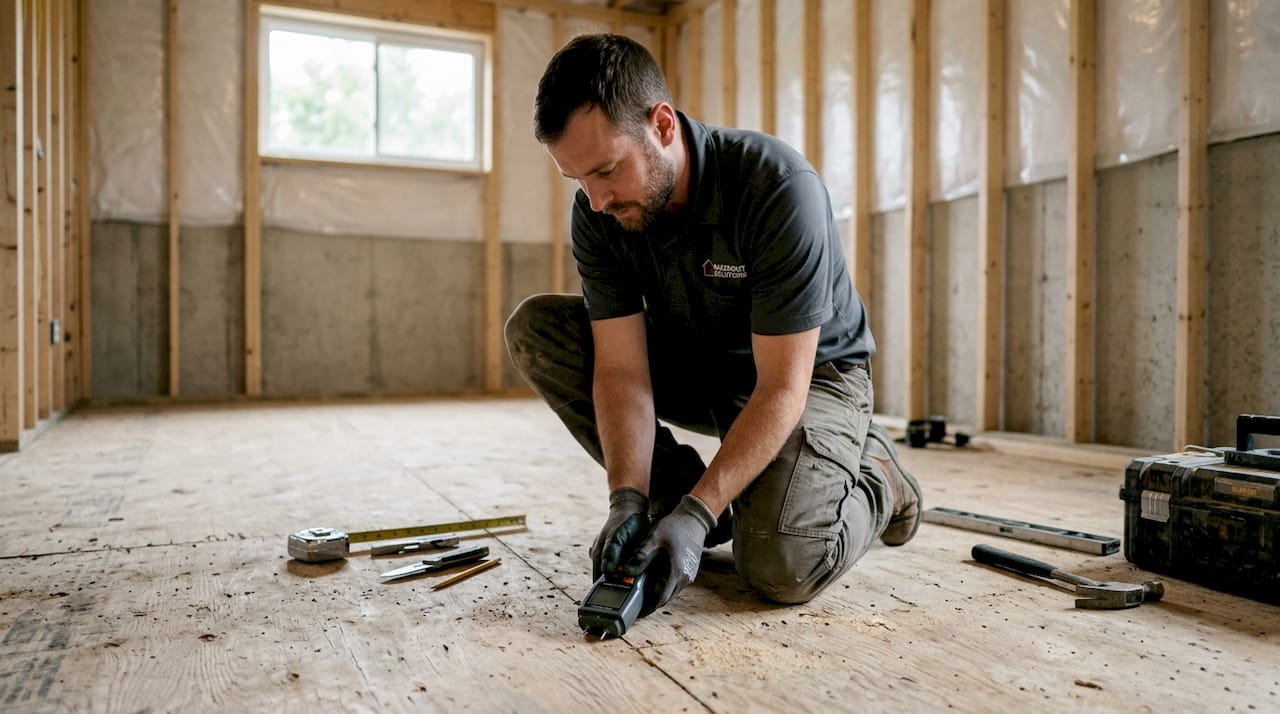
Ignoring subfloor preparation and moisture testing is the leading cause of post-installation failures in hardwood flooring. Proper acclimation and expansion gaps are not optional steps. They are the difference between a floor that lasts decades and one that buckles, squeaks, or gaps within a year.
Common installation errors that stem from skipping prep work include:
- No moisture testing: Wood and engineered hardwood absorb ambient moisture. Installing over a wet or damp subfloor causes cupping and warping.
- Missing expansion gaps: Hardwood expands and contracts with seasonal humidity changes. Without proper gaps at walls and transitions, planks buckle under pressure.
- Improper adhesive use: Common glue down flooring mistakes include using the wrong adhesive for the substrate, applying too little, or failing to follow open-time instructions. All three cause bond failure.
- Uneven subfloor: A subfloor that varies more than 3/16 of an inch over 10 feet creates high spots and hollow sections that crack or squeak under foot traffic.
Proper subfloor prep also includes installing hardwood and vinyl correctly from the start, which means following manufacturer guidelines for acclimation time, fastener spacing, and adhesive selection.
Pro Tip: Hire a certified installer who performs a written moisture test before installation begins. Ask to see the test results. Any installer who skips this step is cutting corners that will cost you money later.
5. Rushing the installation schedule
Rushing installation schedules causes serious human-factor mistakes that undermine flooring longevity regardless of material quality. Careful technical installation matters more than brand name alone for long-term floor durability.
Homeowners often push for fast turnarounds because they want to get back into their space. That pressure transfers to the installer, who then skips acclimation time, cuts expansion gaps short, or misaligns the layout pattern. Each shortcut creates a problem that compounds over time.
A realistic installation timeline for hardwood flooring includes 48–72 hours of acclimation in the room where the floor will be installed. Luxury vinyl plank requires less acclimation but still needs a flat, clean, and dry subfloor before the first plank goes down. Laminate installation requires checking the manufacturer’s specific acclimation requirements, which vary by product line.
6. Falling for misleading retail pricing tactics
Common flooring retail pricing mistakes go beyond simple sticker shock. Retailers use several tactics that make it genuinely difficult to compare true costs across products and suppliers.
Marketing tactics like “free fitting” often hide fitting costs inside inflated material prices or ancillary charges. The total cost looks competitive until you read the fine print. Perpetual “sale” pricing, renamed product lines, and bundled accessories that inflate the base price all contribute to confusion.
Steps to cut through pricing noise:
- Request an itemized quote that separates material cost, labor, subfloor prep, demolition, and accessories into distinct line items.
- Ask about “free” offers in writing. If fitting is free, confirm what is excluded and what triggers additional charges.
- Compare total project cost, not price per square foot. A floor priced at $3 per square foot with $6 per square foot in labor and prep costs more than a $5 per square foot floor with $3 per square foot in labor.
Pro Tip: Get at least two itemized quotes for any flooring project. The line items that one quote includes and another omits will tell you exactly where the hidden costs are hiding.
7. Ignoring quoting errors and their impact on your budget
Manual quoting wastes 30–90 minutes per quote and carries a 5–15% error rate that directly affects pricing accuracy. That error rate means the quote you receive may not reflect the actual scope of your project.
Quoting errors hurt homeowners in two ways. First, an underquoted project runs out of budget mid-installation. Second, an overquoted project causes homeowners to walk away from a fair deal because the number looks too high. Neither outcome serves you well.
The line items most often omitted from flooring quotes include labor for subfloor repair, transition materials, stair nosings, and disposal fees. Asking your supplier to walk through each line item before you sign protects you from both types of error. Quality Hardwoods of Michigan, Inc provides detailed quotes that break down every cost component so homeowners know exactly what they are paying for before work begins.
8. Overlooking lifestyle compatibility when selecting flooring
Selecting flooring without accounting for your household’s actual wear patterns is a flooring selection pitfall that shows up fast. A light-colored, low-gloss white oak floor looks stunning in a showroom and shows every paw print in a home with two dogs.
The questions to answer before selecting any floor:
- Pet traffic: Does the product have a scratch-resistant finish rated for pet claws?
- Children: Will the floor hold up to dropped toys, spilled drinks, and heavy foot traffic?
- Moisture exposure: Is the room near a bathroom, laundry area, or exterior door where water intrusion is likely?
- Sunlight: Does the product carry UV resistance to prevent fading in sun-exposed rooms?
Matching the floor to the lifestyle, not just the aesthetic, is how to choose flooring wisely. The top flooring questions homeowners ask almost always come back to this compatibility issue after the fact.
Key takeaways
Avoiding common flooring shopping mistakes requires realistic budgeting, lifestyle-matched product selection, and proper installation from a certified professional.
| Point | Details |
|---|---|
| Budget for hidden costs | Add 15–20% contingency to cover subfloor prep, demolition, and transitions. |
| Match floor to lifestyle | Evaluate scratch resistance, moisture tolerance, and traffic ratings before buying. |
| Test samples at home | Place full planks in your room across different lighting conditions before deciding. |
| Demand itemized quotes | Separate material, labor, prep, and accessory costs to compare true project totals. |
| Never skip subfloor prep | Moisture testing and proper acclimation prevent buckling, squeaking, and early failure. |
What I have learned after watching homeowners make the same mistakes
The mistake I see most often is not the one homeowners expect. It is not picking the wrong color or overspending on material. The most damaging flooring buying error is treating the installation phase as an afterthought after spending weeks agonizing over product selection.
I have watched homeowners spend months choosing the perfect white oak plank, then hand the job to the lowest-bidding installer who skips moisture testing and leaves expansion gaps at half the required width. Within 18 months, the floor is cupping. The product was not the problem. The process was.
The second pattern I see constantly is the budget that accounts for materials and labor but nothing else. Subfloor repair, demolition, transitions, and disposal fees are not surprises. They are standard parts of almost every flooring project. Any quote that omits them is not a bargain. It is an incomplete picture.
My honest advice: slow down the shopping phase and speed up the planning phase. Spend less time comparing shades and more time vetting your installer, reading your quote line by line, and testing samples in your actual space. The floor that performs best is rarely the one that looked best in the store. It is the one that was matched to your home, installed correctly, and supported by a supplier who answered your questions honestly.
Quality Hardwoods of Michigan, Inc has been doing exactly that for over 40 years. That kind of track record is worth something when you are making a decision that will live in your home for the next two decades.
— Mike Solomich
Quality flooring options and expert guidance from Quality Hardwoods of Michigan, Inc
Quality Hardwoods of Michigan, Inc has served Michigan homeowners and contractors for over 40 years with an inventory that covers hardwood, luxury vinyl, and laminate flooring across a wide range of styles and price points. Their team provides detailed, itemized quotes that eliminate the guesswork that causes so many flooring projects to go sideways.

Whether you are comparing vinyl flooring options for a moisture-prone space or evaluating laminate flooring for a high-traffic living area, Quality Hardwoods of Michigan, Inc gives you the product knowledge and transparent pricing to make a confident decision. Visit their showroom or reach out online to get a quote that covers every line item before your project begins.
FAQ
What are the most common flooring shopping mistakes?
The most common flooring shopping mistakes are underbudgeting for hidden costs, choosing flooring based on price alone, and skipping subfloor preparation before installation. Each of these errors leads to budget overruns or premature floor failure.
How much should I budget beyond the material cost?
Installation costs $4–$15 per square foot installed, and homeowners should add a 15–20% contingency to cover subfloor prep, demolition, and transition materials that are frequently omitted from initial quotes.
Why does subfloor preparation matter so much?
Skipping subfloor prep and moisture testing causes buckling, squeaking, and gaps that shorten floor life significantly. Proper acclimation and expansion gaps are required for any hardwood or engineered floor to perform as designed.
How do I spot misleading flooring pricing?
Ask for a fully itemized quote that separates material, labor, subfloor work, and accessories. “Free fitting” claims often embed fitting costs elsewhere in the quote, so comparing line-by-line totals is the only reliable way to evaluate true cost.
Should I test flooring samples at home before buying?
Yes. Place full planks or large samples in the actual room and observe them across morning and afternoon light for at least 24 hours. In-store lighting is designed to flatter products, and color accuracy can shift significantly in your home’s natural light.