
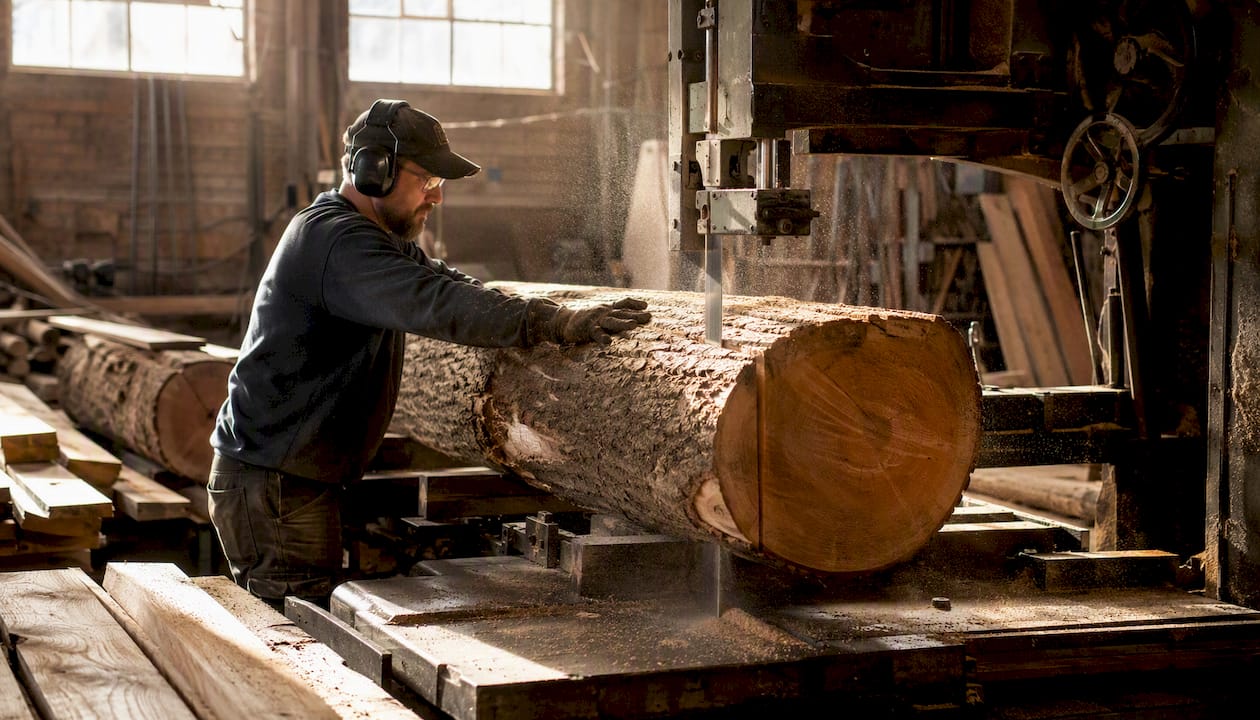
Wide plank hardwood floors cost more because the lumber itself is scarcer and the milling process wastes significantly more wood per log. That’s the short answer. Every other cost driver, from extended kiln drying to specialized installation, flows from that single upstream reality.
Here’s what’s actually driving the price:
- Lumber yield loss: Fewer wide, clear boards come from each log, so more of the tree becomes offcuts
- Kiln and drying time: Wider boards need slower, more controlled drying to prevent cupping and cracking
- Grading and rejection rates: A wider face exposes more defects, so more boards get downgraded or discarded
- Milling complexity: Long, wide runs require specialized saw setups and slower production speeds
- Installation add-ons: Acclimation, subfloor prep, and technique requirements add labor cost
On price: mid-range installed projects typically land near $12–$14 per square foot, while premium solid wide-plank materials alone can range from $10 to $25+ per square foot, with exceptionally high-end cases reaching up to $55 per square foot before a single nail is driven.
Table of Contents
- Why wide plank floors cost more: the full breakdown
- How installation for wide planks adds to your budget
- What does wide plank flooring actually cost?
- Is wide plank flooring worth the extra cost?
- Practical ways to get the wide-plank look for less
- What to ask your distributor before you buy
- Key Takeaways
- The case for wide plank: what the numbers don’t fully capture
- Wide plank hardwood flooring from Quality Hardwoods of Michigan, Inc
- FAQ
Why wide plank floors cost more: the full breakdown
1. Lumber scarcity and log selection
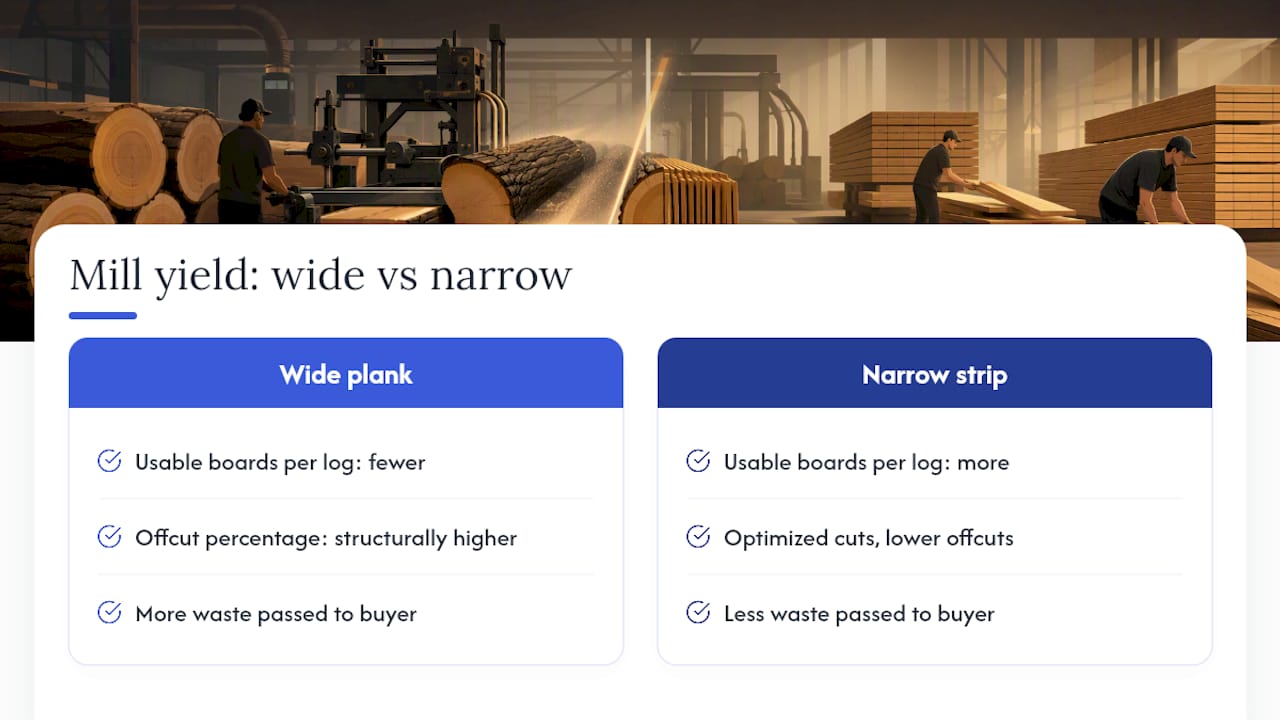
Wider planks require larger, older-growth logs that are increasingly rare in commercially managed forests. A log that yields a dozen 2.25-inch strip boards might produce only two or three usable 8-inch planks before the diameter runs out. That scarcity is priced in before the wood ever reaches a saw.
2. Mill yield loss and offcuts
Yield loss at the mill is a primary economic driver: fewer usable wide boards per log means more material becomes waste. A narrow-plank mill can optimize cuts aggressively; a wide-plank operation accepts a structurally higher percentage of offcuts on every run. That math gets passed to the buyer.
3. Sawing method and milling complexity
Live-sawn and quarter-sawn cuts, both popular for wide planks because of their distinctive grain patterns, are slower and less efficient than plain-sawn production. Longer boards compound this: a 10-foot plank requires a clean, defect-free section of log that a 4-foot board doesn’t. Each additional foot of required length shrinks the pool of usable material.
4. Kiln drying time and moisture control
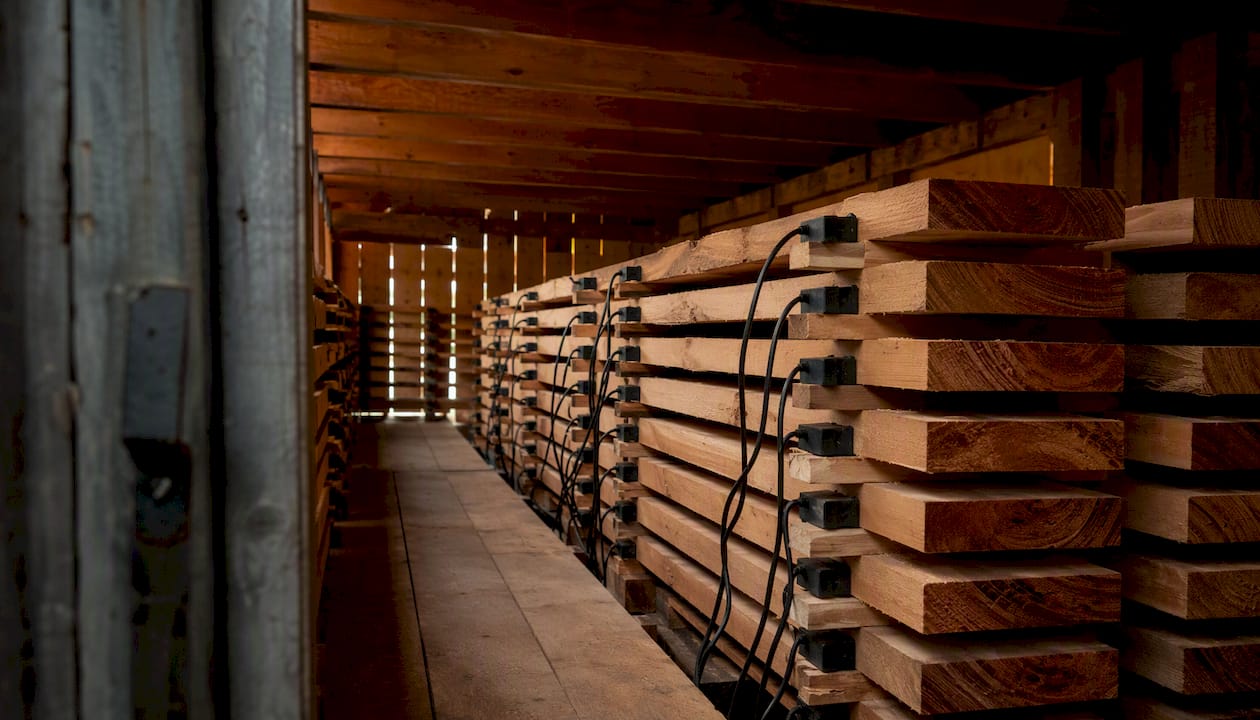
Wider and longer planks need longer, more controlled kiln drying to prevent internal stress, cupping, and checking. A narrow strip might cycle through a kiln in days; a wide plank can require weeks of carefully staged drying. Kiln time is a real operating cost, and it scales with board width.
5. Grading and rejection rates
A 3-inch board hides a lot. An 8-inch board shows everything: mineral streaks, pin knots, sapwood transitions, and grain irregularities that would never appear on a narrow strip. Graders reject a higher percentage of wide boards to meet the same visual standard, which raises the effective cost per sellable square foot.
6. Finishing costs
Factory prefinishing on wide planks requires more finish material per board and longer UV-cure passes. Site-finishing adds labor time because wider boards mean fewer seams but more surface area per pass. Either way, finishing costs per square foot tend to run higher than on narrow strip.
Pro Tip: When comparing quotes, ask whether the price includes a factory prefinish or assumes site finishing. A prefinished wide plank often costs more upfront but saves $2–$4 per square foot in site-finish labor, and you get a harder, more consistent factory-applied coating.
7. Reclaimed plank economics
Reclaimed wide planks sidestep the new-milling cost chain but introduce their own expenses: sourcing, denailing, remilling to consistent thickness, and kiln-treating for insects and moisture. Reclaimed planks can average around $10 per square foot, but typical ranges vary from $8 to $20 per square foot depending on species, condition, and how much prep the boards need before installation.
How installation for wide planks adds to your budget
Wide planks don’t just cost more at the lumber yard; installation method also shifts cost, including acclimation, subfloor prep, and technique requirements. They cost more to put down, and homeowners who budget only for materials often get surprised by the final invoice.
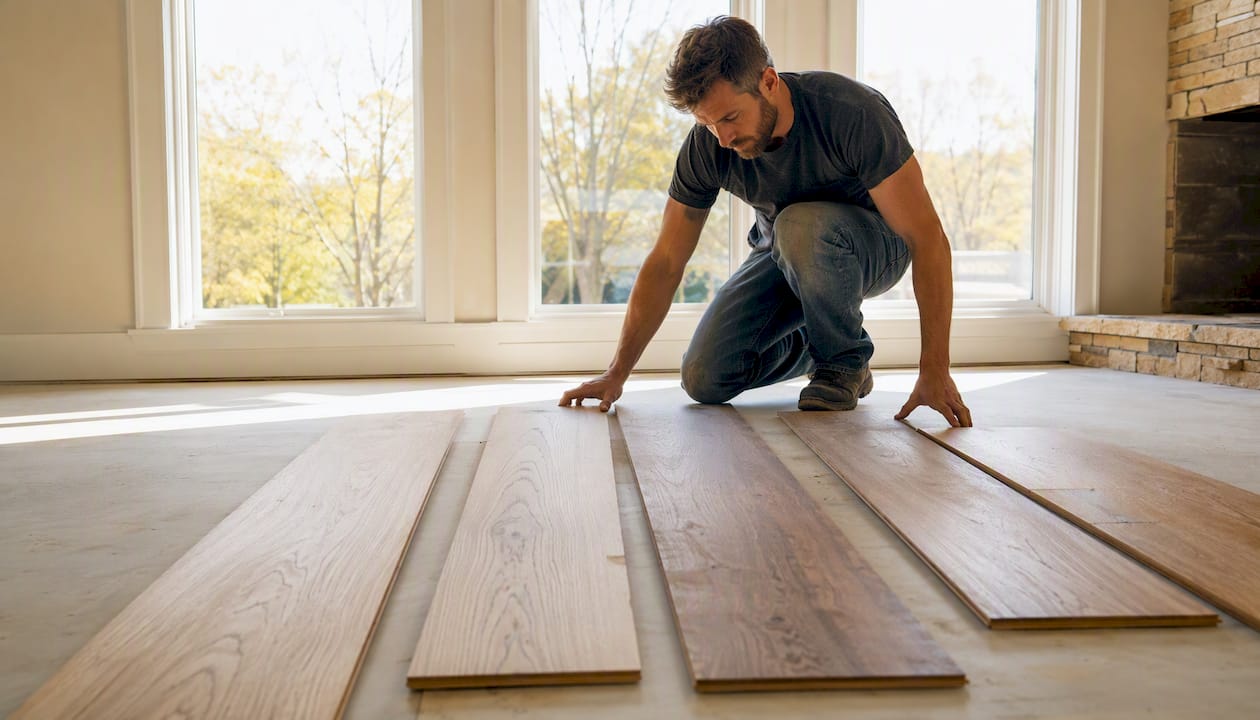
Acclimation is the first variable. Wide solid planks need to sit in the installation space, typically 3–7 days, so the wood reaches equilibrium with the home’s humidity before it’s fastened. That delays the installer’s schedule and can add a mobilization cost if the crew has to return for a second visit.
Subfloor prep matters more with wide planks than with narrow strip. A subfloor that’s slightly out of level or has localized soft spots will telegraph through a wide board far more visibly than through a 2.25-inch strip. Expect subfloor leveling or moisture-barrier work to add anywhere from $0.50 to $3.00 per square foot depending on what the inspector finds.
Installation method also shifts cost. Wide solid planks typically require a nail-and-glue combination to control movement; some very wide boards need full-spread adhesive. Engineered wide planks can float, which is faster and cheaper, but solid wide planks rarely should. The installation sequence for wide planks is more exacting than for standard strip, and experienced installers charge accordingly.
Common installation add-ons to budget for:
- Moisture testing and vapor barrier: $0.50–$1.50/sq ft
- Subfloor leveling or grinding: $1.00–$3.00/sq ft
- Nail-and-glue installation premium over standard nail-down: $1.00–$2.00/sq ft
- Extended acclimation scheduling (second mobilization): $150–$400 flat fee
- Wide-plank-specific labor premium: $2–$4/sq ft above standard hardwood installation
Pro Tip: Ask your installer to provide a written moisture-test reading before and after acclimation. This protects your warranty and gives you documentation if movement issues arise later.
What does wide plank flooring actually cost?
These ranges reflect typical U.S. market pricing. Regional variation of 10–25% is normal; Michigan projects tend to track near national mid-range figures.
| Category | Materials Only | Installed (materials + labor + prep) | Key Cost Driver |
|---|---|---|---|
| Solid wide plank (5"–7") | $6–$15/sq ft | $10–$20/sq ft | Species, grade, sawing method |
| Solid wide plank (7"+) | $10–$25+/sq ft (with some premium options reaching as high as $55/sq ft) | $15–$55 per square foot | Log scarcity, yield loss |
| Engineered wide plank (5"–8") | $5–$12/sq ft | $9–$18/sq ft | Veneer thickness, core quality |
| Reclaimed wide plank | $8–$20/sq ft (average around $10/sq ft) | $12–$14 per square foot | Sourcing, prep, remilling |
Very wide solid planks at 7 inches and above consistently sit in the higher material bands because species and grade constraints compound the yield-loss premium. Premium species like white oak or walnut push those numbers toward the top of each range.
Is wide plank flooring worth the extra cost?
Pros:
- Fewer seams create a cleaner, more expansive look, especially in open-plan rooms
- More visible grain and character per board; the wood’s natural figure reads at full scale
- Perceived luxury that can support resale value in higher-end markets
- Fewer boards to install means slightly less installation time on the labor side
Cons:
- Higher upfront material cost driven by scarcity and yield loss, not inherently better wood
- Greater movement risk in variable-humidity environments like Michigan winters and summers
- Wider faces show wear patterns and scratches more visibly than narrow strip
- Some engineered options have thin veneers that limit refinishing to once or twice
- Mistakes are more expensive: a damaged 10-inch board costs more to replace than a 2.25-inch strip
The honest market note: wide plank floors photograph beautifully and carry a luxury association that’s real in the showroom. In daily life, the maintenance demands are higher and the forgiveness for humidity swings is lower. For a climate-controlled home with stable humidity, solid wide plank is a strong long-term investment. For a home with seasonal swings, engineered wide plank gives you most of the visual impact with significantly less movement risk.
Practical ways to get the wide-plank look for less
1. Choose engineered wide planks with a thick veneer
A 4mm or thicker wear layer gives you one or two refinishes and the full visual character of solid wood. For humidity-prone areas or radiant heat, engineered is often the smarter buy at a lower material cost.
2. Stay in the 5"–7" width range
The yield-loss math gets dramatically worse above 7 inches. Boards in the 5–7 inch range capture most of the wide-plank aesthetic at a meaningfully lower cost per square foot.
3. Opt for factory prefinish
Site-finishing adds $2–$4 per square foot in labor and extends your project timeline by several days. A factory-prefinished board costs more per unit but typically saves money on the total installed price.
4. Consider mixed-width or random-width installations
Mixing 4-inch, 5-inch, and 7-inch boards in a random-width pattern reduces the proportion of expensive very-wide boards while preserving the visual character. It also reduces milling waste on your specific order.
5. Ask about remnant runs and staged inventory
Distributors sometimes have short runs or remnant lots from larger orders at reduced prices. These boards are identical in quality; they’re just leftover from a previous job. Ask specifically about this when you call.
- Ask for volume pricing if your project exceeds 500 square feet
- Request samples from multiple species before committing to a premium species
- Get three quotes and ask each installer to itemize subfloor prep separately
What to ask your distributor before you buy
A reputable distributor does more than ship boxes. They grade the product, advise on acclimation, and can flag sourcing constraints before they become your problem on installation day.
Grading and samples matter more for wide planks than for any other flooring category. A 3-inch strip sample tells you color and finish. An 8-inch wide-plank sample tells you how the grain character, knots, and sapwood transitions will actually read across your floor. Always request boards that show the full range of the grade, including the character marks, not just the clearest piece in the box.
Questions to ask before you commit:
- What drying method was used, and what’s the moisture content at time of shipment?
- What grade standard applies, and what percentage of character marks should I expect?
- What’s the warranty, and does it cover movement or gapping?
- What’s the return policy on unopened boxes?
- Can you provide acclimation guidance specific to my region and season?
- Is this a stocked item or a special order, and what’s the lead time?
Pro Tip: Request a sample board that includes a knot, a sapwood transition, and a clean section. That single board will tell you more about what your floor will actually look like than any showroom photo.
For wide plank hardwood flooring in Michigan, sourcing from a distributor with regional inventory means shorter lead times and acclimation guidance calibrated to Michigan’s specific humidity swings, not a generic national spec sheet.
Key Takeaways
Wide plank floors cost more primarily because of lumber scarcity and milling yield loss, and the premium compounds at every stage from the log yard to the finished floor.
| Point | Details |
|---|---|
| Scarcity drives the base price | Fewer usable wide boards per log means higher cost per square foot before any milling begins. |
| Kiln and grading add manufacturing cost | Wider boards need longer drying cycles and fail grading at higher rates, raising the per-unit cost. |
| Installation adds $2–$4/sq ft | Acclimation, subfloor prep, and technique requirements push installed cost well above material price alone. |
| Engineered wide plank is the smart middle ground | A thick-veneer engineered board delivers most of the visual impact at lower material cost and better humidity stability. |
| Quality Hardwoods of Michigan, Inc | Stocks wide plank hardwood and engineered options with regional inventory, sample programs, and acclimation guidance for Michigan conditions. |
The case for wide plank: what the numbers don’t fully capture
Wide plank flooring is one of those purchases where the math and the experience don’t always line up. The cost premium is real and well-documented. But the argument for wide plank isn’t purely economic, and pretending otherwise doesn’t serve homeowners well.
What the price tables miss is how a room actually feels underfoot and overhead when the floor has fewer seams. A 500-square-foot living room with 3-inch strip flooring has roughly 200 linear feet of visible seams. The same room in 7-inch planks has about 85. That’s not a trivial visual difference, and it’s one reason wide plank has held its premium across decades of flooring trends.
That said, the conventional wisdom that wider is always better is worth questioning. For a 200-square-foot bedroom, the visual payoff of going from 5-inch to 9-inch boards is modest. The cost jump is not. The sweet spot for most residential projects, where you get the aesthetic without paying the full scarcity premium, sits between 5 and 7 inches. That’s where the grain character reads clearly, the yield-loss math is still manageable, and the installation complexity stays within reach of most experienced hardwood installers.
The other thing worth saying plainly: engineered wide plank has gotten genuinely good. A 5mm veneer over a quality plywood core looks identical to solid once it’s installed and finished. For Michigan homeowners dealing with seasonal humidity swings, it’s often the more sensible choice, not a compromise.
Wide plank hardwood flooring from Quality Hardwoods of Michigan, Inc

Knowing why wide plank floors cost more is one thing. Getting the right product at the right price for your specific project is another. Quality Hardwoods of Michigan, Inc carries a full range of wide plank hardwood flooring and engineered wide plank options, with regional inventory that means shorter lead times and acclimation specs built for Michigan conditions, not a generic national average.
The showroom lets you compare species, grades, and widths side by side with actual sample boards, not just photos. Whether you’re budgeting for a new construction project or replacing an existing floor, the team can walk you through material options, help you calculate yield and waste, and connect you with experienced local installers. Request a quote or browse available products to get started.
FAQ
Is wider plank flooring always more expensive?
Yes, wider planks consistently cost more per square foot than narrow strip because they require larger logs and produce more milling waste. The premium grows as width increases, with boards above 7 inches sitting in the highest material bands.
What are the downsides of wide plank flooring?
Wide planks move more with humidity changes, show wear and scratches more visibly, and cost more to replace if damaged. In variable-humidity climates, solid wide plank can cup or gap seasonally without proper moisture control.
What flooring looks the most expensive?
Wide plank solid hardwood in premium species like white oak, walnut, or hickory consistently reads as the most luxurious option. The combination of visible grain character, fewer seams, and natural variation signals quality in a way that narrow strip or synthetic alternatives don’t replicate.
What are the most regretted flooring choices?
Homeowners most often regret choosing solid wide plank in high-humidity rooms or homes without climate control, where seasonal movement causes gapping or cupping. Engineered wide plank in the same width avoids most of that movement risk and is worth considering for Michigan’s climate.
How much should I budget for wide plank installation?
Budget $10–$20 per square foot installed for solid wide plank in the 5–7 inch range, and $9–$18 per square foot for engineered wide plank. Add $0.50–$3.00 per square foot for subfloor prep if your existing floor needs leveling or moisture work.
Recommended
- Wide Plank Hardwood Flooring: A Complete Michigan Guide | Quality Hardwoods of Michigan
- Wide Plank Hardwood Flooring Installation in Michigan | Quality Hardwoods of Michigan
- Hardwood Flooring Warranty Types: A Builder’s Guide — Quality Hardwoods of Michigan
- How to Choose the Best Hardwood Flooring for Your Home | Quality Hardwoods of Michigan