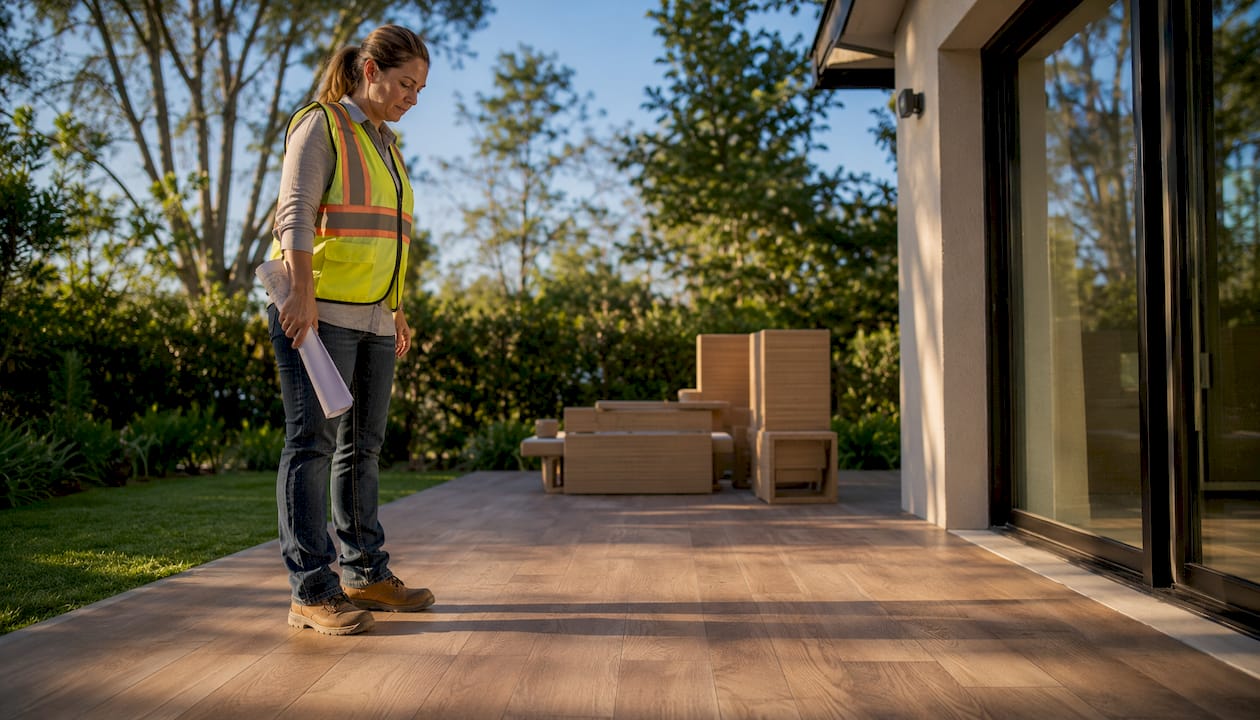
Why vinyl plank flooring leads every new construction project

Luxury Vinyl Plank, universally known as LVP, is the most popular flooring choice in North American new construction right now. Builders spec it first. Homebuyers request it by name. The reasons are straightforward: LVP is 100% waterproof, scratch resistant, faster to install than hardwood, and costs significantly less for a nearly identical look.

The core advantages driving LVP adoption in new builds:

  • Water resistance: Fully waterproof construction handles kitchens, bathrooms, and basements without warping or swelling
  • Durability: Wear layers resist scratches, stains, and heavy foot traffic
  • Installation speed: Click-lock planks float over existing subfloors with no glue or nails
  • Cost efficiency: Significantly lower material and labor costs compared to hardwood
  • Design range: Realistic wood grain and stone textures that are hard to distinguish at a glance
  • Low maintenance: Sweep, vacuum, or damp mop; no waxing or refinishing required

In 2026, manufacturers are pushing LVP further with rigid-core technologies, including SPC (stone plastic composite) and WPC (wood plastic composite), that add dimensional stability and better sound absorption. The product keeps getting better, which is part of why its lead over other flooring categories continues to grow.

How durability and water resistance set LVP apart

LVP’s construction is what makes it genuinely tough. Each plank is built from multiple layers: a rigid core, a printed design layer with realistic wood grain, and a protective wear layer on top that takes the daily abuse so the floor underneath doesn’t have to.

Installer showing vinyl plank layers close-up

That wear layer is the key spec to watch. Thicker wear layers, measured in mils, mean longer resistance to scratches, scuffs, and dents. For high-traffic new construction, a sufficiently thick wear layer is the standard recommendation. Kitchens, entryways, and mudrooms are where this matters most.

The waterproof claim is not marketing language. LVP can be submerged without damage, making it genuinely safe for bathrooms and basements where moisture is a daily reality. Hardwood warps. Laminate swells at the seams. LVP does neither.

Key durability benefits for new construction:

  • Resists pet claws, dropped items, and rolling furniture
  • No acclimation period required before installation
  • Rigid-core SPC variants tolerate temperature swings from 0°F to 160°F, useful before HVAC is fully operational
  • Protective coatings prevent common stains from leaving permanent marks
  • Lifespan of several years with basic care, per flooring industry professionals

Pro Tip: In new construction, floors go in before furniture and appliances arrive. LVP’s no-acclimation requirement means installation can happen on schedule, even in an unconditioned space.

Why builders choose LVP for speed and cost control

Builders are not sentimental about flooring. They need materials that install fast, perform predictably, and don’t generate callbacks. LVP checks every box.

Infographic highlighting key benefits of vinyl plank flooring

Click-lock installation means planks float over the subfloor without adhesive or fasteners. Most rooms can be completed in a single day. That speed compresses the construction schedule and reduces labor costs, two factors that matter enormously on a multi-unit or production build.

Predictability is the other half of the equation. Christine Slaughter, vice president of design and marketing at a major flooring manufacturer, put it directly: “Home builders are prioritizing durability, water resistance, ease of installation and dependable supply when selecting hard surface flooring.” LVP delivers on all four without requiring specialized labor or subfloor perfection.

Builder advantages at a glance:

  • No glue, no nails, no special tools for standard floating installation
  • Tolerates minor subfloor imperfections better than hardwood or tile
  • Consistent product dimensions reduce waste and cutting time
  • Lower material cost frees budget for other finishes
  • Domestic manufacturing options provide shorter lead times and supply chain reliability

What homebuyers actually want from their floors

Buyers walking through a new construction home are not thinking about wear layer thickness. They are thinking about whether the floor looks good, whether it will survive their kids and their dog, and whether they will spend every weekend on their knees cleaning it.

LVP answers all three. Realistic wood grain embossing and color variation give it an upscale appearance that reads as hardwood at a casual glance. The surface is easy to clean with a damp mop, no special products required. And the scratch and water resistance means it holds up through years of real family life.

Buyers also increasingly understand that LVP is a neutral to positive feature for resale, particularly in wet rooms where hardwood is a liability. That perception shift has made LVP a genuinely easy sell in new construction.

What buyers value most:

  • Waterproof surface for kitchens, bathrooms, and laundry rooms
  • Realistic aesthetics without the maintenance demands of real wood
  • Comfortable underfoot feel, softer than tile, firmer than carpet
  • Easy cleaning routine that fits a busy household
  • Confidence that the floor will look good years after move-in

Where LVP gets installed in new construction homes

LVP does not go everywhere in a new build, but it covers most of the home. Main living areas, kitchens, bathrooms, and basements are the primary zones, and for good reason: these are the rooms that see the most foot traffic, the most moisture, and the most punishment.

Carpet still holds the bedrooms and stairs. It’s warmer underfoot, quieter, and better suited to spaces designed for rest. The practical advantages that make LVP worth choosing in a kitchen matter far less in a bedroom. Most new builds end up with LVP and carpet covering the majority of the floor plan, with tile reserved for full bathrooms and wellness spaces.

Typical LVP installation zones in new construction:

  • Main floor living rooms and open-plan areas
  • Kitchens and dining areas
  • Bathrooms, including full baths where moisture is constant
  • Basements and finished lower levels
  • Mudrooms, laundry rooms, and entryways

For a deeper look at how Michigan builders are allocating flooring by room type, the new construction flooring trends tracked by Quality Hardwoods of Michigan, Inc offer useful regional context.

What Quality Hardwoods of Michigan, Inc knows after 40 years

Quality Hardwoods of Michigan, Inc has been supplying flooring to Michigan builders and homeowners for over four decades. That history gives the company a clear view of how buyer preferences and builder specifications have shifted, and LVP’s rise is the most significant category shift they have seen.

The company stocks a full range of luxury vinyl plank options alongside hardwood, laminate, and finishing products, serving both contractors and homeowners directly. Their team works with builders on product selection, helping match the right LVP construction (LVP, WPC, or SPC) to the specific demands of each room and project type.

Builders and homeowners working on new construction projects in Michigan can explore LVP options in Michigan directly through Quality Hardwoods of Michigan, Inc, including guidance on wear layer specs, core types, and installation requirements.

TL;DR: Why LVP is the default floor for new builds

If you are a builder or a homebuyer trying to make a fast decision, here is the short version. LVP wins in new construction because it solves the problems that matter most: moisture, traffic, cost, and schedule.

Quick summary:

  • Waterproof: Safe for every room, including full bathrooms and basements
  • Durable: Scratch and stain resistant with a lifespan of 10–20 years
  • Fast to install: Click-lock system, no adhesive, most rooms done in a day
  • Affordable: Costs significantly less than hardwood with comparable aesthetics
  • Buyer approved: Widely accepted as a neutral to positive resale feature
  • Versatile: Works across main living areas, kitchens, bathrooms, and basements

Does LVP have an environmental footprint worth knowing about?

LVP is a synthetic product made primarily from PVC, and that comes with real environmental considerations. PVC production involves chlorine chemistry, and some lower-quality vinyl products have historically contained plasticizers that raise indoor air quality concerns.

The industry has responded. Many manufacturers now produce LVP certified to FloorScore or GREENGUARD Gold standards, which verify low VOC emissions. Rigid-core formats like SPC use less material per plank than older flexible vinyl, reducing overall PVC volume. Some product lines are incorporating recycled content into their core layers.

LVP also has a durability argument on its side. A floor that lasts 15–20 years without refinishing or replacement generates less waste over time than a floor that needs periodic sanding, recoating, or full replacement. For homeowners weighing sustainability, choosing a high-quality, certified LVP product and keeping it for its full lifespan is the most practical path.

How LVP affects your home’s resale value

LVP does not add value the way hardwood does, but it does not subtract it either. Industry experts consistently describe it as a neutral to positive resale feature, particularly in kitchens, bathrooms, and basements where hardwood is actually a liability.

High-quality LVP in neutral tones appeals broadly to buyers and can speed up a sale. The key variables are quality and installation. A well-installed, thick-wear-layer LVP floor reads as a premium finish. A thin, poorly installed product reads as a budget shortcut, and buyers notice. For builders and homeowners thinking about resale, the investment in quality LVP pays off more reliably than cutting corners on a cheaper product. You can explore how LVP affects home value in more detail through Quality Hardwoods of Michigan, Inc’s published guidance.


Find the right LVP for your new construction project

https://www.qualityhardwood.com/

Quality Hardwoods of Michigan, Inc carries a full selection of luxury vinyl plank flooring for new construction projects across Michigan. Whether you are a builder specifying floors for a production build or a homeowner selecting finishes for a custom home, the team at Quality Hardwoods of Michigan, Inc can match you to the right product for your rooms, your budget, and your timeline.

Browse the full LVP flooring selection or visit the showroom to see current styles in person.


Key Takeaways

Luxury Vinyl Plank is the dominant flooring choice in new construction because it combines 100% waterproof performance, scratch resistance, fast click-lock installation, and typically costs 40–60% less than hardwood.

Point Details
LVP leads new construction It is the top-specified hard surface floor in North American new builds for durability and cost.
Waterproof and scratch resistant 100% waterproof construction makes LVP safe for kitchens, bathrooms, and basements.
Faster and cheaper to install Click-lock planks require no glue or nails, cutting labor time and making installation noticeably more affordable.
Costs significantly less than hardwood LVP delivers a comparable wood look while typically costing 40–60% less than hardwood.
Neutral to positive for resale Buyers accept LVP as a quality finish, especially in moisture-prone rooms where hardwood is a risk.

FAQ

What makes LVP the top flooring choice for new construction?

LVP combines 100% waterproof performance, scratch resistance, and fast click-lock installation at a cost significantly less than hardwood, making it the most practical specification for builders and buyers alike.

Can vinyl plank flooring go in every room of a new home?

LVP works well in main living areas, kitchens, bathrooms, basements, and entryways. Carpet remains the better choice for bedrooms and stairs, where softness and sound absorption matter more than moisture resistance.

How long does vinyl plank flooring last in a new build?

With basic care, LVP typically lasts 10–20 years or more. Choosing a product with a thicker wear layer and following routine cleaning practices extends that lifespan toward the upper end.

Does vinyl plank flooring hurt a home’s resale value?

LVP is widely considered a neutral to positive resale feature. It does not add value the way hardwood does, but it does not reduce value either, and in wet rooms it is often preferred over hardwood by buyers.

Is vinyl plank flooring environmentally responsible?

Quality LVP products certified to FloorScore or GREENGUARD Gold standards meet low-VOC requirements. The material’s long lifespan also reduces replacement frequency, which lowers its overall environmental footprint compared to shorter-lived flooring options.