
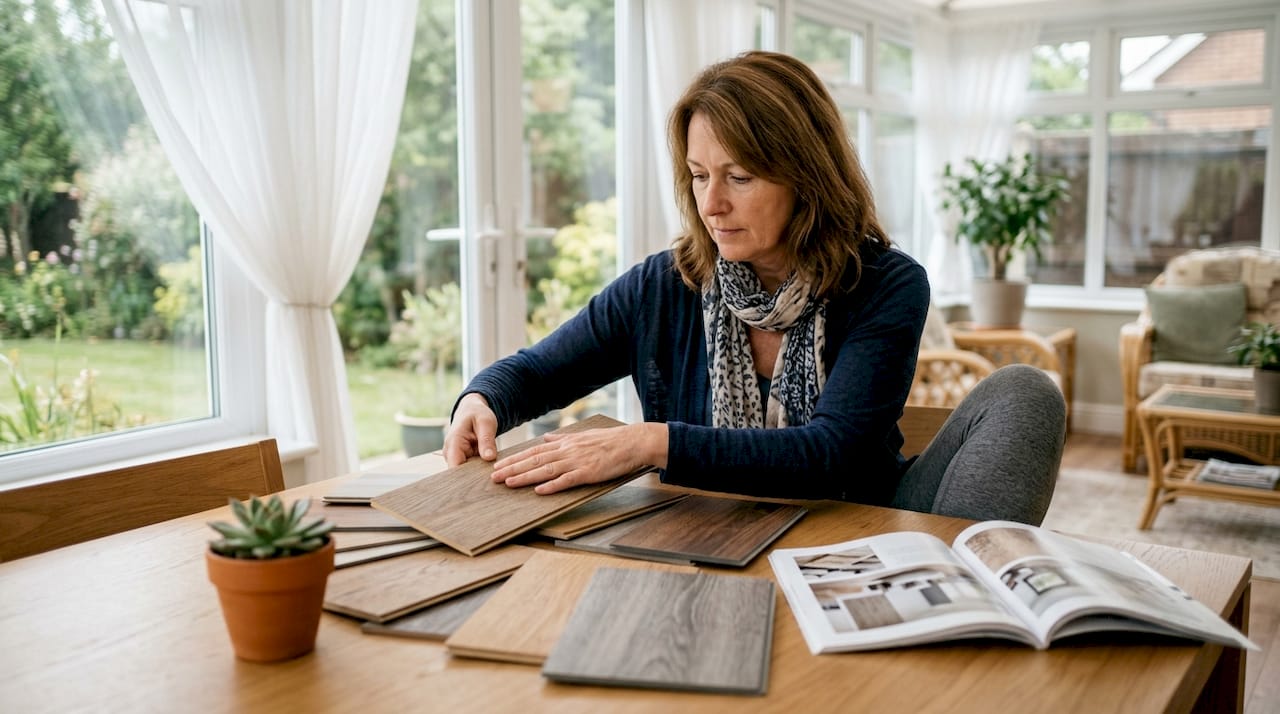
Luxury vinyl plank (LVP) flooring is a multi-layered, waterproof flooring product designed to replicate the look and feel of real hardwood while outperforming it in durability and moisture resistance. The industry term is luxury vinyl tile or LVT when referring to the broader category, but LVP specifically describes the plank format that mimics wood boards. Rigid core LVP dominates residential flooring sales at $4.766 billion in 2025, accounting for roughly 77% of all residential resilient flooring sold. That number reflects a clear shift: homeowners are choosing LVP over traditional hardwood and laminate at a rate that has reshaped the entire flooring market. If you want to understand what you are buying, how it is built, and how to get the most from it, this guide covers every decision point.
What makes luxury vinyl plank flooring durable and waterproof?
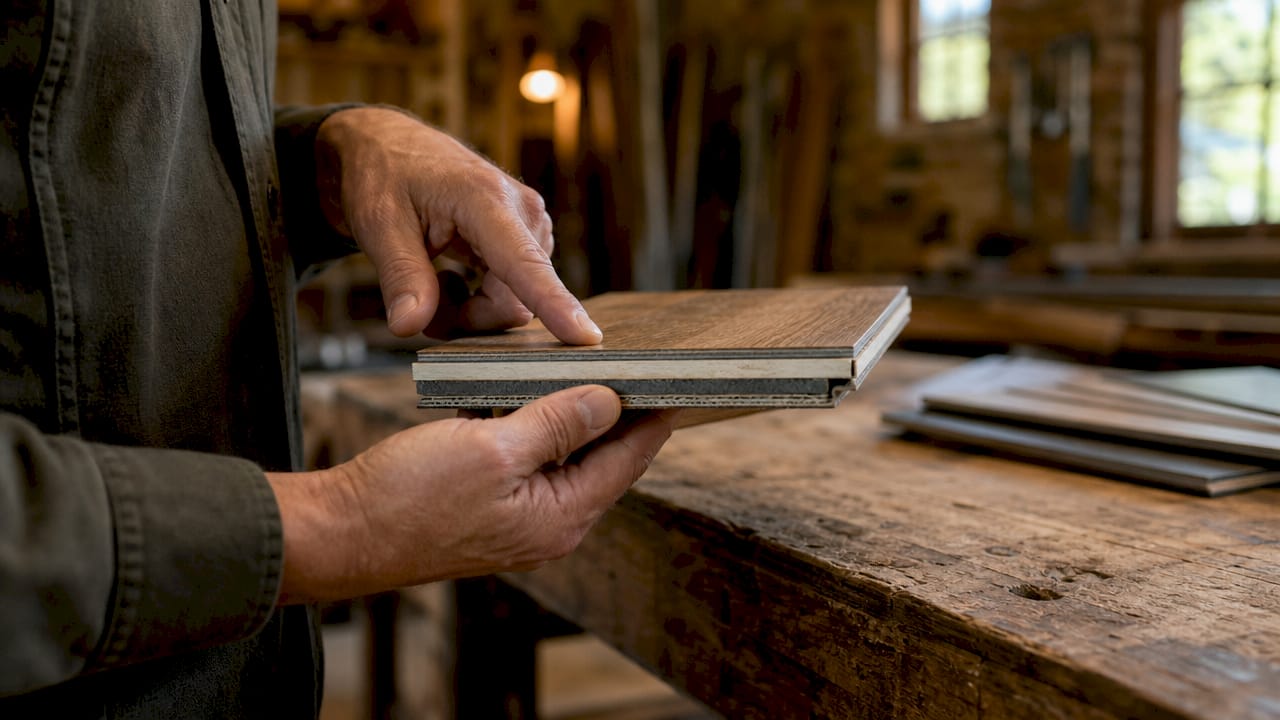
LVP is built in four distinct layers, and each one serves a specific purpose. The top layer is the wear layer, a clear protective coating measured in mils (thousandths of an inch). Below it sits the printed layer, a high-resolution photographic film that creates the wood grain appearance. Under that is the core, which determines rigidity and waterproofing. The bottom layer is a backing or attached underlayment that adds cushion and sound absorption.
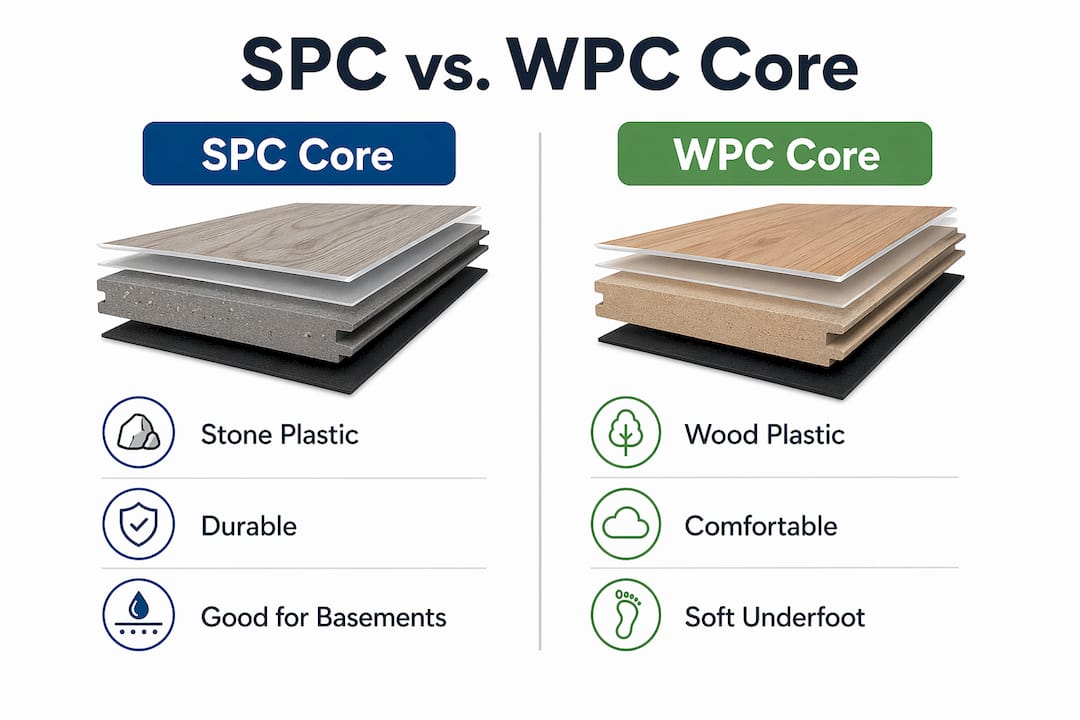
SPC vs. WPC: which core is right for you?
The two core types homeowners encounter most are SPC (stone plastic composite) and WPC (wood plastic composite). SPC cores are harder and more rigid, making them ideal for concrete subfloors, basements, and high-traffic zones like kitchens and hallways. WPC cores contain a foamed wood-plastic blend that feels softer and warmer underfoot, which makes them a better fit for bedrooms and living rooms. Both core types are 100% waterproof, so neither will swell or warp from spills or humidity.
Rigid cores prevent telegraphing, the problem where subfloor imperfections show through the finished floor surface. Older flexible vinyl had this weakness. Rigid core LVP bridges minor subfloor irregularities and stays dimensionally stable through seasonal temperature changes. That stability is one of the main reasons rigid core products now command 85.4% of residential LVT sales.
Pro Tip: If you are installing over a concrete slab in a basement or garage, choose SPC. If comfort underfoot matters more than hardness, such as in a bedroom, WPC is the better call.
How to choose the right style and specs for your home
Wear layer thickness is the single most important specification on any LVP product. Industry standards recommend 6–12 mil for low-traffic areas like guest bedrooms, 20 mil for living rooms and kitchens, and 28+ mil for heavy-traffic areas or homes with pets and children. A thicker wear layer directly extends the floor’s lifespan, from roughly 5 years at the low end to 25 or more years at the high end.
Beyond wear layer, these specs shape your buying decision:
- Total plank thickness: Thicker planks (6mm and above) feel more solid underfoot and reduce sound transmission. Thinner planks (4–5mm) cost less but feel hollow in large open rooms.
- Plank width and length: Wider and longer planks create a more open, modern look. Shorter, narrower planks suit traditional or cottage-style interiors.
- Surface texture: Premium LVP features embossed textures aligned precisely with the printed wood grain, creating a realistic tactile feel. Budget options use a generic texture that does not match the print, which looks flat and artificial up close.
- Gloss level: Low-sheen finishes hide scratches and footprints better than high-gloss options. Most residential LVP uses a matte or satin finish for this reason.
For homes with dogs or heavy foot traffic, the right LVP thickness for pets starts at 20 mil wear layer minimum. Claws and grit tracked in from outside act like sandpaper on thinner wear layers. Choosing the right spec upfront costs less than replacing a floor in five years.
Pro Tip: Always ask for the wear layer spec in mils, not just total plank thickness. A 12mm plank with a 6 mil wear layer will wear out faster than an 8mm plank with a 20 mil wear layer.
What are the installation methods for luxury vinyl plank flooring?
Getting the installation right matters as much as choosing the right product. Two methods cover nearly all residential projects: click-lock floating and glue-down.
Click-lock floating installation
Click-lock floating installation is the recommended method for most residential LVP projects. Planks lock together at the edges and float over the subfloor without adhesive. The process is reversible, which means you can pull up the floor and reinstall it if you move or remodel. It also dries immediately since there is no adhesive cure time.
Glue-down installation
Glue-down installation bonds each plank directly to the subfloor with pressure-sensitive adhesive. This method suits commercial spaces, radiant heated floors, and large open areas where a floating floor might shift or develop noise over time. It is less forgiving of mistakes and harder to remove later.
Critical prep steps before you lay a single plank
Skipping prep is the most common reason LVP floors fail early. Follow these steps without shortcuts:
- Check subfloor flatness. Subfloor flatness within 3/16 inch over 10 feet is the standard tolerance. High or low spots beyond that cause creaking, joint separation, and cracking within weeks of installation.
- Acclimate the planks. LVP should acclimate 24–48 hours in the installation room at normal living temperature and humidity. Skipping this step causes planks to buckle or gap as they expand and contract after installation.
- Check your underlayment. Many LVP planks come with underlayment already attached. Adding extra padding over pre-attached underlayment causes the locking joints to flex and fail within months. Use only what the manufacturer specifies.
- Plan your layout. Start from the straightest, most visible wall. Stagger end joints by at least 6 inches between rows to avoid a stacked pattern that weakens the floor structurally.
- Leave expansion gaps. Maintain a 1/4-inch gap around all walls, cabinets, and fixed objects. LVP expands and contracts with temperature. Without that gap, the floor buckles inward.
Pro Tip: Rent a long straightedge or use a 10-foot level to check your subfloor before buying materials. Fixing a subfloor before installation costs far less than repairing a failed floor after the fact.
For a detailed walkthrough, the vinyl plank DIY install guide from Quality Hardwoods of Michigan, Inc covers each step with practical tips for first-time installers.
How to maintain your luxury vinyl plank floor
LVP is low maintenance by design, but a few habits protect your investment over the long term.
- Sweep or vacuum regularly. Grit and sand act as abrasives on the wear layer. A daily sweep in high-traffic areas prevents micro-scratches that dull the finish over time.
- Mop with a damp cloth or flat mop. Avoid steam mops entirely. Steam mops and harsh chemicals damage the wear layer, voiding most manufacturer warranties. Use a pH-neutral cleaner diluted in water.
- Use felt pads under all furniture legs. Hard furniture feet concentrate weight on a small area and scratch the surface when moved. Felt pads distribute the load and prevent gouging.
- Wipe spills immediately. LVP is waterproof across its surface, but standing water that seeps under planks at edges or around plumbing fixtures can cause issues with the subfloor beneath. Keep seams dry.
- Protect high-wear zones. Entry mats at doors catch grit before it reaches the floor. Area rugs in front of kitchen sinks and stoves protect the spots that take the most daily abuse.
The thickness of your wear layer determines how long the floor holds up under these conditions. A 28 mil wear layer in a busy kitchen will still look new after a decade of daily use. A 6 mil wear layer in the same space will show wear within a few years. Choosing the right spec at purchase is the best maintenance decision you can make. If you want a balanced view of where LVP has limits, the negatives of vinyl plank article from Quality Hardwoods of Michigan, Inc covers the tradeoffs honestly.
Key Takeaways
Luxury vinyl plank flooring delivers waterproof, durable performance at a lower cost than hardwood, but only when you choose the right wear layer, core type, and installation method for your specific home.
| Point | Details |
|---|---|
| Wear layer is the top spec | Choose 20 mil minimum for living areas and kitchens; 28+ mil for heavy traffic or pets. |
| SPC vs. WPC core matters | SPC suits hard subfloors and high traffic; WPC offers more comfort for bedrooms. |
| Subfloor prep is non-negotiable | Flatness within 3/16 inch over 10 feet prevents creaking, joint failure, and cracking. |
| Acclimate before installing | Leave planks in the room for 24–48 hours to prevent buckling and gapping after installation. |
| Avoid steam mops | Harsh heat and chemicals degrade the wear layer and void most manufacturer warranties. |
Why I think most homeowners buy LVP wrong
After years of working with homeowners on flooring decisions, the pattern I see most often is this: people focus on price per square foot and color, then ignore the two specs that actually determine whether the floor lasts. Wear layer and core type are not marketing details. They are the engineering of the product.
The other mistake I see constantly is skipping subfloor prep. A homeowner will spend $3,000 on a quality LVP product, then rush the installation over a subfloor that has a half-inch hump in the middle of the room. Six months later, the joints are separating and the floor sounds like a ship deck. The product did not fail. The prep failed.
My honest recommendation: if you are comparing LVP options, compare LVP with engineered hardwood before you commit. LVP wins on moisture resistance and price. Engineered hardwood wins on refinishability and resale perception in certain markets. Knowing that tradeoff helps you buy with confidence instead of regret.
LVP is also one of the better interior upgrades that boost home value in 2026, particularly in moisture-prone areas where hardwood is not practical. The market data backs that up. Rigid core LVP is not a trend. It is the new standard for residential flooring.
— Mike Solomich
Quality Hardwoods of Michigan, Inc has the vinyl flooring you need
Quality Hardwoods of Michigan, Inc carries a full selection of luxury vinyl plank and vinyl flooring options for Michigan homeowners, from entry-level click-lock products to premium SPC and WPC planks with 20+ mil wear layers. The team has over 40 years of experience helping homeowners choose the right product for their specific rooms, traffic levels, and budgets.
Whether you are replacing a single room or flooring an entire home, the vinyl flooring options at Quality Hardwoods of Michigan, Inc include styles that match every aesthetic from rustic farmhouse to modern gray oak. Stop by the showroom or reach out to the team for a product recommendation tailored to your project.
FAQ
What is the minimum wear layer for a family home?
The minimum recommended wear layer for a family home with regular foot traffic is 20 mil. Homes with pets or children benefit from 28 mil or higher for long-term durability.
Can you put heavy appliances on luxury vinyl plank?
Yes, but use appliance rollers or plywood sheets when moving heavy items to avoid gouging the wear layer. Refrigerators and washing machines sitting stationary on LVP are not a problem.
Is luxury vinyl plank good for high-end homes?
LVP with a 28+ mil wear layer, realistic embossed texture, and wide-plank format is used in high-end residential projects regularly. The visual quality of premium products is difficult to distinguish from real hardwood at a glance.
How long does luxury vinyl plank flooring last?
Lifespan depends directly on wear layer thickness. A 6 mil wear layer lasts roughly 5 years under normal use. A 20 mil wear layer lasts 15–20 years. A 28+ mil wear layer can exceed 25 years with proper care.
Does LVP work over radiant heated floors?
LVP works over radiant heat, but glue-down installation is preferred over floating in those applications. Check the manufacturer’s maximum temperature rating before installing, as excessive heat can affect the locking joints in floating floors.